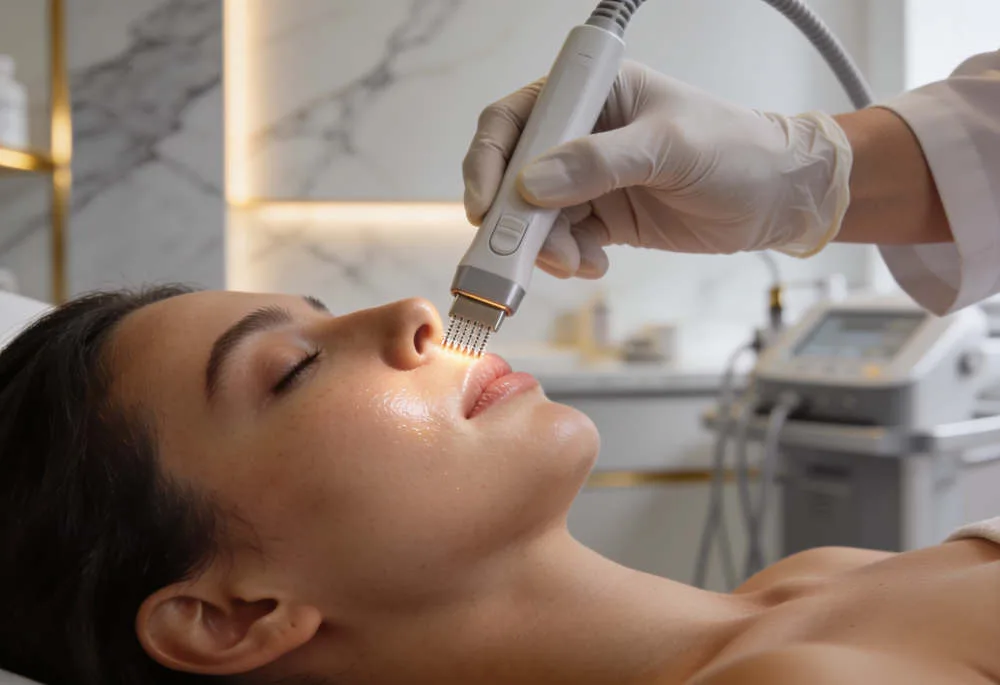
Microneedling and chemical peels treat acne scars through different mechanisms, and the right choice depends on your scar type, your skin tone, and your tolerance for downtime. Microneedling works by stimulating the skin's collagen remodeling process to gradually improve the texture of depressed scars over a series of treatments. Chemical peels resurface the top layers of the skin to address surface irregularities, discoloration, and dullness more quickly but with a different recovery profile. For most patients with acne scarring, the most effective plan incorporates both, sequenced appropriately. Vamped Aesthetics works with Orlando-area patients to build that plan based on their specific skin and goals. Book a skin consultation with Vamped Aesthetics or call (407) 412-8265 to talk through which approach is right for your scarring.
What microneedling actually does to scar tissue
Patients in the Maitland area and throughout the Orlando market often come in having tried topical products for their acne scars without meaningful improvement, which makes sense because most acne scarring involves a structural change in the dermis that topicals cannot reach. Atrophic scars, the depressed, textured areas that acne leaves behind, form because the inflammation of active acne damaged the collagen matrix underneath the skin surface. The skin healed, but it healed with less structural support than the surrounding tissue, which is what creates the pitted or uneven texture. Microneedling addresses that structural layer directly by creating controlled micro-injuries that trigger the skin's natural collagen production response. Over a series of sessions, the new collagen remodels the scar tissue from within, gradually raising the depressed areas and smoothing the texture across the surface.
The improvement from microneedling is cumulative and gradual rather than immediate. A patient who completes a full series of sessions will typically see meaningful improvement in texture and scar depth, but the results develop over weeks to months as the collagen matures. This is worth setting expectations around before starting. The treatment is not dramatic in any single session, and the progress between sessions can feel slow. The full outcome of a treatment series is often most visible several months after the final session, when the collagen remodeling is complete. Patients in the Thornton Park neighborhood of Orlando who are willing to commit to a series and wait for the cumulative result consistently see more significant improvement than those who assess after a single session and conclude it did not work.
What chemical peels address and how they differ
Chemical peels work on the surface rather than the structural layer, which makes them the more appropriate tool for certain categories of acne-related skin concerns. Post-inflammatory hyperpigmentation, the dark or reddish marks that linger after acne resolves, responds well to peels because the pigmentation is concentrated in the upper layers of the skin where the peel's exfoliating action is most effective. Surface texture irregularities, dullness, and the overall tone unevenness that acne-prone skin often develops over time are also well-suited to peel treatment.
Peel depth determines both the result and the downtime. Lighter peels produce mild exfoliation with minimal recovery time and work best for maintenance, brightening, and mild texture improvement. Medium-depth peels produce more significant resurfacing with several days of visible peeling and redness, and they are more effective for moderate hyperpigmentation and surface scarring. The right peel depth for a specific patient depends on their skin type, their existing melanin levels, and their tolerance for the recovery period involved. Skin tone is a meaningful variable in peel selection because deeper peels carry a higher risk of post-inflammatory hyperpigmentation in darker skin tones, and selecting the appropriate formulation and depth for the patient's specific skin is part of what the consultation determines. A well-chosen peel on the right patient produces results that would take many more microneedling sessions to achieve for surface concerns.
How the two treatments work together
For most patients with both active scarring and pigmentation concerns, the most effective plan sequences microneedling and chemical peels rather than choosing between them. Microneedling addresses the structural depth of the scar over a series of sessions. Chemical peels address the surface tone and texture irregularity between or after those sessions. A medical-grade skin care routine supports both treatments by maintaining the skin barrier, reducing inflammation, and optimizing the environment for collagen production and pigment regulation between clinic visits.
The sequencing matters. Running microneedling and an aggressive peel too close together can overload the skin's recovery capacity and increase the risk of post-inflammatory hyperpigmentation, particularly in patients with more melanin-rich skin. Spacing the treatments appropriately, and adjusting the plan based on how the skin responds, is what separates a clinical approach from a menu-driven one. The consultation is where that plan gets built correctly rather than discovered through trial and error.
What realistic expectations look like
Acne scarring is one of the more challenging skin concerns to treat, and the honest version of what resurfacing treatments can achieve is meaningful improvement rather than complete elimination. Depressed scars can be significantly improved and in some cases made nearly imperceptible. Surface texture and tone can be substantially smoothed and brightened. But the goal is not perfect skin with no evidence of prior acne. It is skin that is noticeably and genuinely better than it was before treatment, in ways that are visible and lasting.
Patients who start treatment understanding that the improvement is cumulative, that some concerns respond better than others, and that the result develops over months rather than sessions tend to be the most satisfied with their outcomes, because they are measuring against the right benchmark. If you have been frustrated by acne scarring and want a clinical plan built around your specific skin, the consultation is the place to start. Call Vamped Aesthetics at (407) 412-8265 or schedule your skin consultation with Vamped Aesthetics and find out what the right combination of treatments looks like for your concerns.